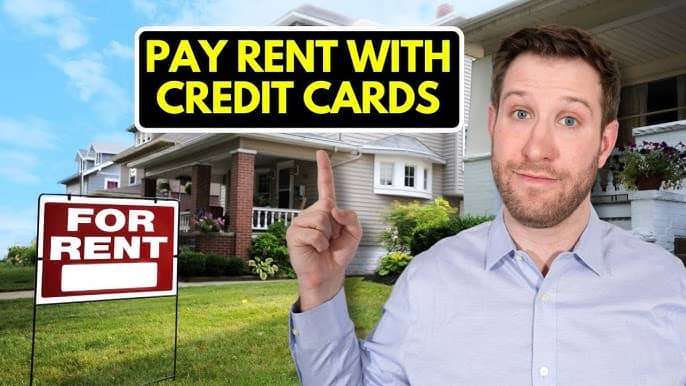
Credit Cards and Rent Payments Explained
Using a credit card for rent payments can offer immediate convenience, but it’s crucial to weigh the pros and cons carefully. Many landlords and property management companies now accept credit cards, often through third-party payment platforms that facilitate these transactions. This flexibility can help tenants maintain cash flow and earn rewards or cashback on their rents, turning a necessary expense into a potential financial benefit. However, it’s vital to consider the fees associated with credit card payments, which can sometimes exceed 2-3% of the rental amount, negating any rewards you might earn. Can You Pay Your Rent With Your Credit Card In Canada Update?
Moreover, relying on a credit card for rent could impact your credit utilization ratio, a key factor in your credit score. Regularly maxing out your credit card or carrying a high balance may signal overreliance on credit, potentially lowering your score over time. For those who struggle with timely payments, this could lead to costly interest charges, trapping tenants in a cycle of debt. Ultimately, understanding these dynamics can empower you to make informed financial decisions about using credit cards to handle rent in Canada.
Pros of Paying Rent with Credit Cards
Paying rent with credit cards can unlock a realm of financial flexibility that many tenants overlook. First and foremost, this practice allows renters to earn valuable rewards points or cash back on their significant monthly payments. If you’re already spending a large portion of your budget on rent, why not maximize those expenditures by turning them into rewards that can help fund vacations or offset other bills? Moreover, using a credit card can provide an additional layer of protection; many cards come with purchase protection and dispute resolution features that may offer peace of mind if any discrepancies arise with the landlord.
In addition to rewards, paying rent with credit cards can also improve your credit score when managed wisely. Regular, on-time payments contribute positively to your credit history, potentially enhancing your ability to secure future loans or credit opportunities. It’s an excellent strategy for those striving to build or rebuild their credit without taking on additional debt, assuming you pay off the balance each month. Lastly, for renters who encounter unexpected expenses, using a credit card to handle rent can serve as a temporary financial cushion, granting extra time to manage cash flow without repercussions.
Cons of Using Credit Cards
Using credit cards for rent payments might seem like a convenient option, but it comes with significant drawbacks that can impact your financial health. One of the most pressing concerns is the potential for accumulating debt. Relying on credit can lead to overspending, making it easy to overlook the high-interest rates associated with unpaid balances. If you fail to pay off your credit card in full each month, those interest charges can quickly outweigh the benefits of any rewards or points you might earn.
Moreover, many landlords charge hefty processing fees for credit card transactions, which can make this payment method less economical. Such fees can negate any positive cash flow benefits you might anticipate from putting rent on a rewards card. Additionally, there’s the psychological aspect to consider; using credit cards can create a disconnect from the actual money you spend. When you swipe for rent instead of handing over cash, it can inadvertently desensitize you to the true impact of that expense on your budget. Balancing the immediate convenience against the long-term financial risks makes it crucial to approach credit card usage for rent payments with caution.
How to Pay Rent with Credit Card
Paying rent with a credit card can be more than just a convenient option; it potentially opens doors to rewards and financial flexibility. Many landlords and property management companies have started embracing electronic payment systems, making it easier for tenants to utilize their credit cards. By charging your rent, you can accumulate points or cash back, which could help cover future expenses or contribute to a vacation fund. However, it’s essential to weigh these benefits against the potential risks, such as interest rates and fees.
Additionally, some platforms specialize in facilitating credit card transactions for rent payments, often charging a service fee. This fee is generally offset by the rewards earned or by managing cash flow during tight financial months. It’s crucial to read the fine print and assess whether the added costs make sense for your budget. As the payment landscape continues to evolve, maximizing the advantages of credit card rent payments could be a savvy way to handle your housing expenses while taking charge of your financial strategy.
free fire VIP menu mediafıre 2025
Key Fees to Consider
When evaluating alternative payment methods for rent, it’s essential to be aware of the various fees that may apply. These can include processing fees, transaction fees for credit card payments, or service fees for third-party payment platforms. Each of these fees can add up, potentially making alternative methods more expensive than traditional options like checks or direct bank transfers. It’s crucial to read the fine print and understand the total cost involved before committing to a payment method.
Alternative Payment Methods for Rent
Many renters are exploring various options beyond traditional payment methods. For instance, using credit cards can offer rewards and flexibility, while apps like Venmo, Zelle, or PayPal provide quick transfers. Cryptocurrency payments are also gaining traction among tech-savvy tenants, despite their volatility. However, it’s vital to speak with your landlord to see which methods they accept. Not all landlords are open to non-traditional payment forms, and some may have specific requirements for rent payments.
Impact on Credit Score and Debt
Using alternative payment methods can significantly affect your credit score and overall debt management. For example, when paying rent with a credit card, timely payments may improve your credit score, while missed payments can have the opposite effect. Moreover, relying on credit cards for rent might lead to increased debt if you’re not careful about managing repayment. It’s critical to consider how each method affects your financial situation and credit profile before making a decision.
Is It Worth It?
Ultimately, whether alternative payment methods for rent are worth it depends on your personal financial circumstances and priorities. For those who can manage the associated fees and potential debt while enjoying the benefits of rewards and flexibility, alternative payments can be advantageous. However, for renters looking to minimize costs and maintain a simple financial routine, sticking with traditional payment methods might be the best option. Weigh the pros and cons carefully to make an informed decision that aligns with your financial goals.