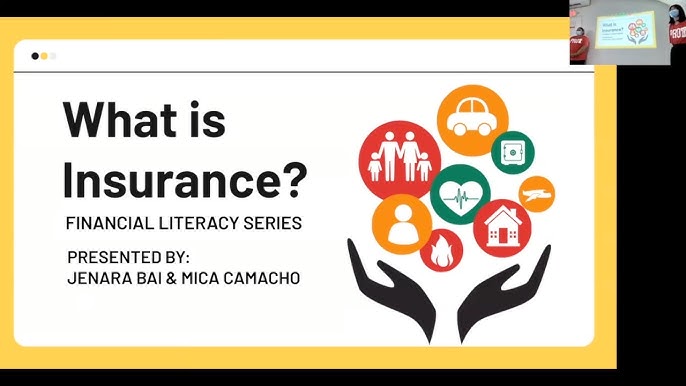
Did you know that nearly 60% of Americans are underinsured or completely lack life insurance? This startling statistic highlights a critical gap in financial planning that can leave families vulnerable in times of crisis. In this article, we’ll explore what life insurance is and how it functions, breaking down its types, benefits, and the role it plays in securing your loved ones’ financial future. By the end, you’ll have a clearer understanding of why life insurance is more relevant than ever in 2025. What Is Life Insurance and How Does It Work 2025?
Imagine facing an unexpected loss without the financial cushion that life insurance provides—it’s a scenario no one wants to imagine. Life insurance is not just a safety net; it’s a crucial component of a well-rounded financial strategy that protects your family’s future. In this article, we will demystify life insurance, explaining its workings and significance in today’s world. You’ll learn how to assess your needs and make informed decisions that could safeguard your family’s financial well-being.
What if you could ensure your family’s financial security even when you’re no longer around? Life insurance offers peace of mind and protection against life’s uncertainties, yet many people remain unaware of its intricacies. This article will guide you through the fundamentals of life insurance and its operational mechanics in 2025. By reading on, you’ll discover how to choose the right policy for your needs and why investing in life insurance is a smart move for anyone looking to secure their legacy.
Types of Life Insurance Policies Explained
When it comes to life insurance, understanding the different types of policies available can significantly influence your financial planning. Term life insurance is one of the simplest and most straightforward options, providing coverage for a specific period—typically 10, 20, or 30 years. This type of policy is often favored for its affordability, making it an excellent choice for young families looking to secure their loved ones’ financial future without breaking the bank. However, once the term ends, the coverage ceases unless you choose to renew, leaving some policyholders in a vulnerable position.
On the other hand, permanent life insurance—such as whole life and universal life—offers lifelong coverage and includes a cash value component that grows over time. Whole life insurance guarantees a fixed premium and payout, appealing to those who prefer predictability in their financial commitments. Conversely, universal life insurance provides more flexibility in premium payments and death benefits, allowing policyholders to adjust their plans as their financial situations change. By understanding these nuances, individuals can better align their insurance choices with their long-term goals, ensuring they not only protect their loved ones but also create a financial safety net that evolves with them.
How Life Insurance Works: A Breakdown
Life insurance operates on a fundamental principle of risk management, designed to provide financial security for your loved ones in the event of your untimely passing. When you purchase a policy, you enter into a contract with an insurance company, agreeing to pay regular premiums in exchange for a death benefit that is paid out to your beneficiaries. This benefit can serve various purposes, from covering daily living expenses and paying off debts to funding future goals like education or retirement plans.
One compelling aspect of life insurance is its adaptability; policies come in various forms—term, whole, and universal—that cater to different financial needs and life stages. For instance, term life insurance offers coverage for a specific period, making it a cost-effective choice for young families needing temporary protection. In contrast, whole life insurance builds cash value over time, providing an investment component that can be borrowed against or withdrawn if needed. This dual function not only secures your family’s future but also serves as a financial tool during your lifetime.
Moreover, understanding the nuances of life insurance can empower you to make informed decisions that align with your long-term financial strategy. Many people overlook the potential tax benefits associated with life insurance; for example, the death benefit is generally tax-free for beneficiaries. Additionally, some policies allow you to grow cash value tax-deferred, offering a unique opportunity to save for retirement while ensuring that your family’s needs are met. By exploring these dimensions, you can leverage life insurance not just as a safety net but as an integral part of your overall financial plan.
Key Benefits of Life Insurance Coverage
Life insurance coverage offers a safety net that extends beyond mere financial support; it provides peace of mind for policyholders and their loved ones. In times of loss, the death benefit can alleviate the burden of immediate expenses like funeral costs and outstanding debts, allowing families to focus on healing rather than financial distress. Moreover, many policies also accumulate cash value over time, serving as a potential resource for emergencies or future investments, thus integrating a savings component into your financial planning.
Another often overlooked benefit is the role life insurance plays in wealth transfer and legacy planning. It can be a strategic tool to ensure that your beneficiaries receive a tax-free inheritance, allowing you to leave behind not just memories but also a financial foundation for future generations. Additionally, life insurance can enhance your overall financial strategy by providing liquidity in estate planning, helping to cover taxes and other obligations without forcing heirs to liquidate assets at unfavorable times. In essence, life insurance is not just about protection; it’s an investment in your family’s future stability and prosperity.
Factors Influencing Life Insurance Premiums
When it comes to life insurance premiums, several key factors play a pivotal role in determining the cost. One of the most significant influences is the applicant’s age; younger individuals typically enjoy lower premiums due to their longer life expectancy. However, it’s not just age that matters—health status is equally crucial. Insurers conduct thorough health assessments, considering pre-existing conditions, lifestyle choices like smoking or obesity, and even family medical history. This holistic view allows them to gauge the risk associated with insuring an individual, which directly impacts premium rates.
Moreover, the type of policy selected can also sway premium costs. For instance, term life insurance generally offers lower premiums than whole life policies because it provides coverage for a specified period without accumulating cash value. Additionally, the coverage amount chosen will affect the premium; higher coverage limits naturally lead to increased costs. Understanding these nuances empowers consumers to make informed decisions that align with their financial goals and health profiles, ensuring they choose the right policy at a competitive rate. Ultimately, recognizing how these various factors intertwine can illuminate the path to securing a life insurance policy that fits both needs and budget.
The Role of Beneficiaries in Policies
Beneficiaries play a pivotal role in life insurance policies, acting as the bridge between the policyholder’s intentions and the financial legacy they wish to leave behind. When selecting beneficiaries, individuals often overlook the emotional implications of their choices. It’s essential to consider not just immediate family members but also those who may have played significant roles in one’s life—friends, charities, or even business partners. This holistic approach can create a more profound impact, ensuring that the policy serves its purpose beyond mere financial support.
Moreover, the dynamic nature of relationships means that beneficiaries should be revisited regularly, especially during major life events like marriage, divorce, or the birth of a child. Failing to update beneficiary designations can lead to unintended consequences, potentially leaving loved ones unprotected or assets in limbo. Engaging in open conversations with potential beneficiaries about their needs and expectations can foster transparency and ensure that the policyholder’s wishes are clearly understood and honored. Ultimately, recognizing the vital role beneficiaries play not only safeguards financial stability but also nurtures connections that last beyond a lifetime.
Common Misconceptions About Life Insurance
One prevalent misconception about life insurance is that it’s only necessary for those with dependents. Many people believe that if they are single or childless, they don’t need coverage. However, life insurance can also serve as a financial safety net for debts like student loans or mortgages, preventing the burden from falling on family members. Additionally, it can be an effective tool for estate planning, ensuring that your assets are passed on smoothly without tax complications.
Another myth is that life insurance is prohibitively expensive. While some policies can be costly, there are numerous options available that cater to various budgets and needs. Term life insurance, for instance, offers affordable premiums for a specified period, making it accessible even for younger individuals just starting their careers. Moreover, purchasing a policy at a younger age often leads to lower rates, allowing individuals to lock in a price before health issues potentially arise. Understanding these nuances can empower consumers to make informed decisions tailored to their unique situations.
Steps to Choosing the Right Policy
Choosing the right life insurance policy is akin to crafting a personalized safety net for your loved ones, and it starts with understanding your unique needs. Begin by evaluating your financial obligations: consider debts, mortgages, and future expenses such as college tuition for your children. This comprehensive assessment will provide a clearer picture of the coverage amount you need, ensuring that your policy serves its intended purpose without leaving any gaps.
Next, delve into the different types of life insurance—term, whole, and universal—and weigh their pros and cons. Term insurance offers affordability with coverage for a specified period, making it an excellent choice for those with temporary needs. In contrast, whole life policies provide lifelong coverage and can accumulate cash value over time, which can be a strategic asset for long-term financial planning. Remember to also scrutinize the insurer’s reputation and financial stability; a policy is only as good as the company backing it. By taking these steps, you not only secure peace of mind but also empower your family’s future.
Understanding Life Insurance Today
Life insurance today transcends traditional notions of financial security; it is a multifaceted tool that adapts to the dynamic needs of modern individuals and families. With the rise of gig economies and fluctuating employment patterns, more people are recognizing life insurance as a vital component of their long-term financial strategy. Policies now often include riders that cater to specific life events, such as critical illness or disability, allowing policyholders to access benefits while they are still alive—an innovative shift that acknowledges the unpredictability of life.
Moreover, the digital transformation in the insurance industry has made understanding and purchasing life insurance more accessible than ever. Insurtech companies are leveraging technology to simplify the application process, making it possible for individuals to secure coverage with just a few clicks. This accessibility not only empowers consumers to make informed choices but also fosters a deeper awareness of their financial health and the importance of planning for the unexpected. As we move further into 2025, embracing life insurance as part of a holistic approach to financial wellness will be essential for navigating life’s uncertainties.